
Vaginal Dryness
Vaginal dryness might not be a commonly discussed topic, yet it's a condition that affects numerous women across various stages of their lives. In fact, over half of post-menopausal women aged between 51 and 60 experience vaginal dryness.
This condition can greatly impact your quality of life, affecting not just sexual activity but also causing discomfort in your daily activities. Despite its...
Vaginal Dryness treatment options
3 products
Description
Vaginal dryness might not be a commonly discussed topic, yet it's a condition that affects numerous women across various stages of their lives. In fact, over half of post-menopausal women aged between 51 and 60 experience vaginal dryness.
This condition can greatly impact your quality of life, affecting not just sexual activity but also causing discomfort in your daily activities. Despite its prevalence, many women do not seek treatment due to embarrassment, but with the right information and treatment, it can be managed effectively.
Explore our range of treatments for vaginal dryness on PharmacyOnline.co.uk. Our selection of products, combined with professional healthcare advice, can help you find the relief you need.
What is Vaginal Dryness?
Vaginal dryness is a condition characterised by a lack of moisture or natural lubrication in the vaginal area, which can lead to discomfort, itching, and pain, particularly during intercourse. It's caused by a variety of things, ranging from hormonal changes, such as those experienced during menopause (which is why it's sometimes called genitourinary syndrome of menopause), certain medications and health conditions. While it's most commonly seen as a symptom of menopause, it’s not limited to this phase of life.
Vaginal dryness symptoms
The main symptoms of vaginal dryness include:
- Increased need to urinate and urinary tract infections (UTIs).
- Dryness, itching, or burning sensation in your vaginal area.
- Discomfort or pain during sexual activities.
- A persistent feeling of dryness or tightness in your vagina.
It's important to recognise these signs because they aren't just physical discomforts; they can also impact your emotional well-being and intimacy. Understanding what you're experiencing is the first step towards finding relief.
Causes of vaginal dryness
Experiencing vaginal dryness can be disconcerting, but understanding its causes can provide clarity and direction for effective management. That's because vaginal dryness isn't just a symptom to endure, it's a health condition that can be addressed. This condition stems from a variety of factors, and being aware of these can help you identify potential triggers in your own life
- Hormonal changes: Often, vaginal dryness is linked to changes in oestrogen levels. This is especially common during menopause, but can also occur after childbirth or during breastfeeding. Lower oestrogen levels can lead to thinner, less lubricated vaginal tissues..
- Medications: Some medications may have an unintended side effect of reducing natural vaginal lubrication. These can include treatments for certain cancers, some antidepressants, and antihistamines found in allergy and cold medications.
- Medical conditions: Underlying health conditions like diabetes or autoimmune disorders like Sjögren’s syndrome, and treatments like chemotherapy or radiation, can influence vaginal moisture levels.
- Lifestyle factors: Smoking can reduce blood flow and lead to changes in vaginal tissues. Additionally, staying hydrated and maintaining a balanced diet are essential for overall health, including vaginal well-being.
- Stress and anxiety: High levels of stress and anxiety can disrupt your body's natural responses, including those related to arousal and lubrication.
Who is affected by vaginal dryness?
Based on the causes listed above, women most likely to experience vaginal dryness can include:
- Women during and post-menopause: The most significant group affected by vaginal dryness are women going through menopause and postmenopause. Studies suggest that up to 50-60% of postmenopausal women experience vaginal dryness. The decrease in oestrogen during these phases can cause thinning, drying, and inflammation of vaginal walls. This is called vaginal atrophy and is a primary cause of reduced natural lubrication.
- Breastfeeding mothers: Postpartum women, particularly those who are breastfeeding, often experience hormonal changes that can lead to vaginal dryness.
- Women undergoing cancer treatments: Treatments for cancers, particularly those affecting the reproductive system, including breast cancer, can result in decreased oestrogen levels, leading to dryness.
- Those on certain medications: Women taking specific medications, like some antidepressants or antihistamines, may find that vaginal dryness is a side effect.
- Women with specific health conditions: Conditions such as diabetes or autoimmune diseases can affect the body in ways that contribute to vaginal dryness.
Diagnosing vaginal dryness
If you’re experiencing symptoms of vaginal dryness, it’s advisable to consult with a healthcare professional. They can provide a diagnosis and recommend appropriate treatment.
You'll be asked about your symptoms, such as dryness, discomfort during intercourse, and any other related changes you've noticed. Your doctor will also review your medical history, including any medications you're taking, your menstrual cycle, and any recent changes like childbirth or menopause.
In some cases, a physical examination may be necessary. This allows the doctor to assess the health of your vaginal tissue and rule out other conditions that might cause similar symptoms.
While there are no specific tests for vaginal dryness, your doctor might conduct tests if they suspect underlying conditions like hormonal imbalances or infections that could contribute to your symptoms.
Medical treatments for vaginal dryness
When it comes to treating vaginal dryness, there are several medical options available, ranging from hormonal to non-hormonal treatments. Pharmacy Online offers a selection of these treatments, catering to different needs and preferences. Some effective medical treatments include:
Hormonal treatments
These are often the go-to option for women experiencing menopausal symptoms:
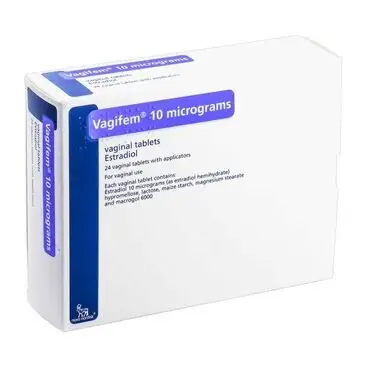
- Vagifem: Available at Pharmacy Online, Vagifem is a hormonal treatment in the form of vaginal tablets. It contains low dose vaginal estrogen, which helps to replenish the levels in the body, thereby improving the vaginal tissue's health and moisture.
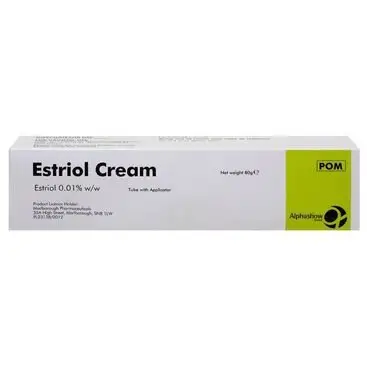
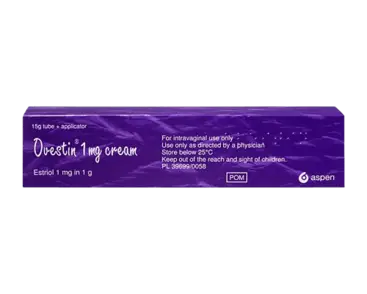
- Ovestin cream: Another option provided by Pharmacy Online is Ovestin cream, which contains the hormone estriol. When applied, it helps to relieve symptoms of vaginal dryness by restoring the natural balance of hormones.
Non-hormonal prescription treatments
For those who prefer or require non-hormonal options, there are alternatives that can be equally effective.
- Hydrating gels and creams: These products are designed to provide immediate relief from dryness. They are typically free from hormones and can be used regularly as a vaginal moisturizer.
- Other hormonal creams and rings: Apart from tablets and vaginal cream, there are also hormonal rings available that provide a steady release of oestrogen in the body. These can be a convenient option for continuous relief.
It's important to note that treatment for vaginal dryness should be tailored to your individual needs. Factors like the underlying cause of dryness, personal health history, and preferences play a role in determining the most suitable treatment for you.
At Pharmacy Online, we have a range of treatments for vaginal dryness available, each with the goal of improving comfort and quality of life. To find out more, speak with one of our healthcare professionals to determine the best treatment plan for your specific circumstances.
Frequently Asked Questions
Are there natural vaginal moisturizers I can use?
Yes, there are natural options for moisturising. Products like coconut oil or vitamin E oil are often used as natural moisturisers. However, it's important to be cautious and do a patch test first, as you may be sensitive to these. Always consult with a healthcare professional before trying a new product to ensure it's safe and suitable for you.
What self-care measures can help with vaginal dryness?
Self-care for vaginal dryness includes staying well hydrated, using water-based lubricants during intercourse, maintaining a balanced diet rich in phytoestrogens (like soy and flaxseeds), and practicing regular pelvic floor exercises. Reducing stress through relaxation techniques and avoiding irritants like scented soaps or douches can also be beneficial.
Can I prevent vaginal dryness?
While not all cases of vaginal dryness can be prevented, certain steps can help reduce the risk. These include maintaining a healthy lifestyle, avoiding smoking, staying hydrated, and using lubricants during sexual activity. It's also helpful to manage any underlying health conditions that might contribute to dryness.
What does vaginal dryness feel like?
Vaginal dryness often feels like a persistent sense of dryness or irritation in the vaginal area. You may experience itching, burning, or discomfort, particularly during intercourse. Some women also report a feeling of tightness or soreness, and it can lead to increased urinary frequency or discomfort.
Does menopause dryness go away?
Vaginal dryness is a common symptom of menopause and may persist if not treated. While hormonal changes during menopause are permanent, the symptoms can be managed with treatments like hormonal therapy, moisturisers, or lubricants. Lifestyle adjustments can also provide relief.
What does vaginal atrophy look like?
Vaginal atrophy involves thinning, drying, and inflammation of the vaginal walls, which can lead to a shiny or pale appearance of the vaginal mucosa. It might be accompanied by a loss of elasticity, making the vaginal tissue less pliable. These changes are usually more noticeable during a medical examination.
When should I speak to a doctor about vaginal dryness?
You should speak to a doctor if vaginal dryness is causing discomfort, impacting your quality of life, or affecting your intimate relationships. Also, consult a doctor if you notice symptoms like bleeding after intercourse, severe itching, or if over-the-counter remedies aren’t providing relief. It's important to seek medical advice to explore treatment options and rule out other conditions.

