
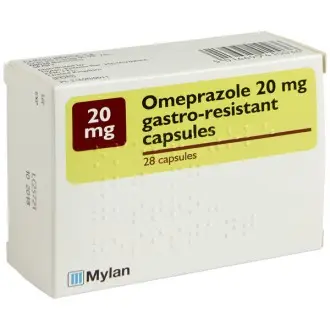
Images for illustrative purposes only
Omeprazole
Omeprazole 20mg is a type of medicine known as proton pump inhibitors. This medication targets symptoms of acid reflux, providing relief from indigestion and heartburn. Taken orally, Omeprazole tablets prevent proton pumps from working properly, reducing the amount of stomach acid in your stomach, helping prevent and treat stomach ulcers.
- Up to 24 hours of relief
- Treatment to control acid reflux, heartburn, and stomach ulcers
- Cheaper version of Losec MUPs
Omeprazole
Omeprazole is a prescription-only proton pump inhibitor (PPI). This group of medicines offers effective treatment for conditions such as acid reflux, heartburn, and gastroesophageal reflux disease (GORD).
Patients are usually prescribed Omeprazole 10mg or Omeprazole 20mg as a starting dose, with the possibility of increasing the dose to 40mg if ineffective.
You can buy Omeprazole 40mg, 20mg or 10mg here at Pharmacy Online. Simply start a consultation with our UK-registered online pharmacist, who can provide an Omeprazole prescription after a short assessment.
When to use Omeprazole?
Omeprazole is a proton pump inhibitor (PPI) that effectively relieves excess acid in your stomach. If you have acid reflux, heartburn, stomach ulcers or a condition called Zollinger-Ellison syndrome, Omeprazole tablets can reduce the amount of acid your stomach creates.
Your doctor might also prescribe it if you're taking anti-inflammatory medicines for a condition that causes chronic pain. Anti-inflammatory painkillers like Naproxen can cause excess acid, but proton pumps are also preventative treatments.
Omeprazole Age restrictions
Omeprazole is suitable for adults and children over one year, but its safety in babies younger than one-month-old has yet to be confirmed. You should avoid giving the medication to children under 16 unless your GP prescribes it.
While adults can take the standard dosage, a medical professional must determine how much a child should take based on their body weight.
How to use Omeprazole?
One Omeprazole tablet is taken daily in the morning, with or without food. Sometimes, a GP may recommend taking two Omeprazole capsules daily—in this case, tablets are taken once in the morning and once in the evening.
Please follow your doctor's instructions when using PPIs and never take more than advised. If a medical professional feels you'll benefit from a higher dosage, they'll increase it.
When to avoid using Omeprazole?
While Omeprazole is safe for most individuals, there are certain situations where caution is necessary, or its use should be avoided:
- Medication Interactions: Omeprazole can interact with some medicines or reduce their effectiveness. Please inform a healthcare professional of any medications you're using before taking PPIs.
- Pregnancy and Breastfeeding: Many women take PPIs during their pregnancy, but it's essential to consult your GP first.
- Allergies: Please refrain from using Omeprazole if you have a known allergy or sensitivity to it or any of its ingredients.
- Liver Disease: While liver disease doesn't automatically stop you from using Omeprazole, your doctor will need to determine a suitable dosage and monitor your condition.
- Long-term use: Using Omeprazole for more than a year can increase your risk of side effects, including magnesium and Vitamin B12 deficiencies.
Precautions for Omeprazole
Please note that the above isn't an exhaustive list, and there might be other times when you should avoid using the medicine. It's always best to consult a healthcare professional before using proton pump inhibitors.
Ingredients of Omeprazole
Omeprazole is the active ingredient, but different formulations may include other ingredients, such as lactose monohydrate, sodium stearate, triethyl citrate, and sodium starch glycolate.
The ingredients depend on the brand you use, so please read the ingredients carefully to check whether you're allergic or sensitive to them.
Side Effects of Omeprazole
As with any medication, there are risks of side effects when taking Omeprazole. Most side effects are mild and will reduce over time; however, some can be more serious and should be reported to your doctor right away.
Please contact a member of our team if you are concerned about any potential side effects that may occur when taking Omeprazole.
Common side effects of taking Omeprazole may include:
- Headache
- Constipation
- Diarrhoea
- Nausea
- Dry mouth
- Abdominal pain
- Dizziness
- Vomiting
There are some rare yet severe side effects associated with Omeprazole.
You should seek medical attention if:
- You experience joint pain along with a red skin rash, especially in parts of your body exposed to the sun, such as your arms, cheeks and nose. This can be a sign of a rare condition called subacute cutaneous lupus erythematosus.
- Your skin becomes yellow, or your urine is darker - this could be liver problems.
- Severe or persistent diarrhoea.
It is possible to have a severe allergic reaction to Omeprazole.
Can you buy Omeprazole over the counter?
Yes you can buy Omeprazole over the counter, but it's also available as a prescription treatment.
Can I take Omeprazole 20mg without a prescription?
Yes, you can purchase Omeprazole without a prescription, but you'll need to consult with a pharmacist. Our online assessment is in place to determine your suitability for the medication and ensure your safety while taking it.
Are prescription Omeprazole tablets the same as over-the-counter PPIs?
Omeprazole tablets belong to the PPI medication group, which are available over the counter.
With most medications, prescription forms contain a higher amount of the active ingredient than over-the-counter medications.
Are Omeprazole tablets safe?
Omeprazole is generally a very safe medication to use when taken correctly. It is usually advised to take It for up to two weeks and then see a GP if your symptoms persist past this point.
Long-term use of Omeprazole and PPIs, in general, can increase the chances of kidney disease, pneumonia and bacterial infections.
You should only use Omeprazole as advised by a healthcare professional.
How long should I take Omeprazole?
Omeprazole should be taken for no longer than 2 weeks to reduce the symptoms of acid reflux. If symptoms persist, it is advisable to see your GP, as this may indicate a more serious condition.
Can I drink alcohol while taking Omeprazole?
Drinking alcohol while taking a proton pump inhibitor can result in increased side effects and worsening of acid reflux.
What is Omeprazole used for?
Omeprazole is used to treat acid reflux and other gastro-oesophageal reflux conditions.
When Omeprazole is taken, it reduces the amount of stomach acid produced by body enzymes, limiting the ability for acid to reflux out of the stomach.
How does Omeprazole work?
Omeprazole works by reducing the amount of acid in the stomach, reducing the chances of acid reflux occurring in the respiratory tract.
Can Omeprazole be taken during pregnancy?
It is safe to take Omeprazole during pregnancy and whilst breastfeeding. However, it is always best to try and relieve acid reflux without medication whilst pregnant.
Can Omeprazole 20mg cause withdrawal symptoms?
Yes, some people can experience more acid production and minor withdrawal symptoms such as nausea, dizziness and headaches when they stop taking PPIs. If you've been using the medication for a long time, your GP might recommend gradually reducing the dose.
Is Omeprazole 20mg effective for treating GERD?
Omeprazole is a highly effective medication for treating gastroesophageal reflux disease (GERD). However, individuals with severe GERD might need a higher dose.
Can I take Omeprazole 20mg with other medications?
Omeprazole might interact with some medications, including antifungals and blood thinners. To avoid potential interactions, it's best to inform your doctor of any medications you're using.
What foods should I avoid while taking Omeprazole for acid reflux?
Acid reflux is a chronic condition that requires management through diet and medication. While Omeprazole can prevent your stomach from producing too much acid, certain foods and drinks can lessen its effectiveness.
You should avoid the following:
- Acidic foods like onions, garlic, citrus fruits, tomatoes, and spicy foods.
- Foods with excess grease and fat.
- Caffeinated beverages and alcohol.
How does Omeprazole 20mg work to reduce stomach acid?
Omeprazole belongs to the PPI group, which consists of medications that reduce the amount of acid your stomach produces. It blocks the enzyme that produces acid, resulting in less discomfort. While antacids neutralise stomach acid, PPIs prevent and reduce its production.
What happens if I miss a dose of Omeprazole 20mg?
If you miss a dose of Omeprazole, you can take it as soon as you remember. However, if it's closer to your next scheduled dose, skip the missed dose and continue with your schedule.
How soon will I see improvement after starting Omeprazole 20mg?
It depends on the severity of your symptoms. Some people notice relief within a few days, while others might take a few weeks.
Can Omeprazole 20mg be used to treat stomach ulcers?
Yes, Omeprazole can treat duodenal and stomach ulcers. However, if a Helicobacter pylori infection causes your condition, your doctor might recommend combining it with antibiotics to achieve optimal treatment outcomes.
What should I do if Omeprazole 20mg doesn’t work for me?
Most people find that Omeprazole relieves symptoms associated with acid damage and stomach ulcers. However, if it doesn't work for you, then your doctor might be able to prescribe an alternative treatment or increase your dosage.
Are there natural alternatives to Omeprazole for acid reflux?
Minor acid reflux is often treatable with minor lifestyle changes, including consuming a healthy diet and elevating your head while sleeping. Herbal remedies can also be beneficial, but some people might experience an increase in symptoms.
Always consult your doctor before trying natural remedies to ensure they are safe and compatible with your health needs.
Does Omeprazole 20mg reduce the risk of oesophagal damage from acid reflux?
Yes, Omeprazole can prevent damage to the oesophagus from damage caused by severe acid reflux. However, it depends on the dosage you take and whether you make lifestyle changes.
How to order Omeprazole tablets online
Begin your order for Omeprazole by starting a consultation with our online pharmacist. You will complete a short assessment, answering questions about your symptoms and condition. Our doctors will then assess your requirements and issue a suitable prescription.
Leaflets
Omeprazole Patient Information Leaflet
Before ordering or taking Omeprazole, it is recommended that you read the patient information leaflet. This contains essential information about the medication, its potential side effects and any interactions.

