
Images for illustrative purposes only
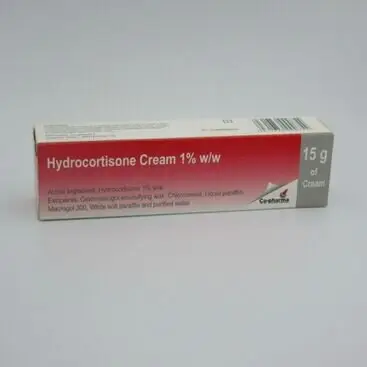
Hydrocortisone 1% Cream - 15 g
Hydrocortisone cream is a gentle steroid cream that soothes the discomfort associated with dry skin ailments such as mild to moderate eczema, allergic contact dermatitis, allergies, and reactions to insect bites. The cream reduces irritation and swelling by adjusting how your body responds to itchiness and redness. It's suitable for adults and children and contains the active ingredient Hydrocortisone BP 1% w/w.
- Effective short-term treatment
- Steroid-based hydrocortisone cream
- Treats mild to moderate eczema, insect bites, and irritated skin
Hydrocortisone Cream
Hydrocortisone 1% cream is a mild steroid-based cream that relieves swelling, inflammation, and irritation caused by insect bites and stings. It can also be used for mild cases of eczema and other superficial skin conditions. As it is a steroid, it should be used sparingly, and only a thin layer should be applied to the affected area(s).
When to Use Hydrocortisone Cream?
Hydrocortisone cream is a topical corticosteroid that treats a range of conditions and reduces symptoms, including itching, redness, inflammation, and swelling.
It's most beneficial for:
- Eczema (Atopic Dermatitis): Can support the management of eczema, including reducing itchy, inflamed, and dry skin.
- Dermatitis: Treats contact dermatitis and irritant contact dermatitis.
- Nappy Rash: Many parents use hydrocortisone for nappy rash, but you should seek medical advice before doing so.
- Intertrigo: Reduces irritation between skin folds.
- Psoriasis: Can be a beneficial treatment for mild psoriasis, although stronger treatments may be required for severe cases.
Hydrocortisone Cream Age Restrictions
The recommended age range for hydrocortisone creams is adults and children over 10. However, younger children can also use it as long as a doctor or pharmacist recommends it.
How to Use Hydrocortisone Cream?
When using hydrocortisone treatments, please follow the instructions carefully to avoid side effects:
- Prepare: Wash your hands before and after using hydrocortisone cream. You should clean the affected skin area with water to remove any products.
- Apply: While hydrocortisone is a mild cream, it's still a corticosteroid, and a small amount will go a long way. Use approximately 0.5 grams of cream (a fingertip's worth) for adults and follow the healthcare professional's instructions for children.
- Rub it In: Once you apply a thin layer of cream to the affected area, gently rub it in. Avoid rubbing too hard, as this can impact your skin and cause irritation.
In most cases, you'll apply hydrocortisone once or twice daily, depending on your skin condition and the healthcare professional's advice.
If you purchase the cream over the counter, you should use it for a maximum of one week. However, some doctors and registered pharmacists will prescribe it for longer if they think it may be beneficial.
It's best to stop using the cream once your symptoms improve.
When to Avoid Using Hydrocortisone Cream?
While hydrocortisone cream is an excellent option for treating a variety of skin conditions, there are some situations where you should avoid it.
These include:
- Skin Infection: People with fungal infections like ringworm or candidiasis and bacterial skin infections should use creams formulated to treat the infection.
- Acne: Using hydrocortisone on acne can worsen the condition and make your skin more sensitive.
- Rosacea: It can also have the same effect on rosacea, but alternative treatments can reduce redness.
- Perioral dermatitis: If you have a rash around your mouth, using steroid creams can worsen your condition.
- Wounds: When you apply hydrocortisone to weeping or broken skin, it can cause an infection.
- Allergies: If you're sensitive or allergic to any of the ingredients in hydrocortisone, you should avoid using it.
- Other Steroids: It's generally not recommended to use hydrocortisone if you're currently taking other steroids.
Precautions of Hydrocortisone Cream
Hydrocortisone should never be used near the eyes or on the genitals, unless your doctor advises you to do so. Please avoid applying bandages and plasters over the affected areas, as it increases steroid absorption and can cause side effects.
If you're currently taking any medications or have a pre-existing condition, please speak to your doctor before using hydrocortisone. The same applies to pregnant and breastfeeding women.
Ingredients of Hydrocortisone Cream
Hydrocortisone is a corticosteroid that has anti-inflammatory effects. It's available in strengths including 0.5% and 1%.
The cream also has a range of inactive ingredients which may vary depending on the formulation. Inactive ingredients include:
- Emollients and moisturisers
- Emulsifying agents
- Preservatives
Please see the information leaflet for a complete list of ingredients.
Side Effects of Hydrocortisone Cream
Hydrocortisone is generally a safe treatment, but it can cause some mild side effects. These include:
- Itching and stinging
- Dryness
- Redness
- Small bumps
- Minor skin colour changes
- Increased hair growth
These side effects usually disappear when you get used to the cream. However, if you notice any of the following side effects, you should seek medical advice immediately and stop using the cream:
- Skin thinning
- Allergic reactions
- Adrenal gland issues
- Eye problems
Can I use other creams on top of Hydrocortisone cream?
Yes, you can. A moisturiser or emollient in combination with hydrocortisone cream is recommended to keep the skin hydrated.
Can I use antihistamines as well as this Hydrocortisone cream to manage my symptoms?
Yes, it is safe to use antihistamines with hydrocortisone cream.
Can I use Hydrocortisone cream on my face?
It is not recommended for use on the face unless your GP states that you can use it. Since it is a steroid cream, you must be cautious with more sensitive skin, such as the face.
Can I use hydrocortisone cream on a bite with a small open cut?
Using this cream on any open wound, cut, broken, or infected skin is not recommended. You should seek further medical advice.
How often can I apply Hydrocortisone cream?
Depending on your GP's instructions, you can apply hydrocortisone cream once or twice daily. Please avoid using it for longer than a week, unless a healthcare professional recommends otherwise.
Can I use Hydrocortisone cream on children?
Hydrocortisone cream is suitable for children - but only with medical supervision. If your child is under 10, please ask a medical professional before using it and make sure you apply a small amount.
Can I use makeup after applying Hydrocortisone cream?
If your GP recommends using hydrocortisone cream on your face, you should wait until it's fully absorbed before using makeup. Wherever possible, it's best to avoid using fragranced products as they can irritate the skin.
Can I use Hydrocortisone cream during pregnancy or breastfeeding?
Please consult your GP or a registered pharmacist before using the cream if you're pregnant or breastfeeding.
What should I do if I forget to apply a dose of Hydrocortisone cream?
If you forget to apply a dose, you can use it once you remember. However, if it's closer to the next application, you can skip the missed dose and continue as usual.
Leaflets
Before taking any medicines such as hydrocortisone cream, regardless of whether they are over-the-counter or prescription-only, it is essential always to read the patient information leaflet. If you have any questions about our pharmacy medicine, please contact our dedicated team today.

