
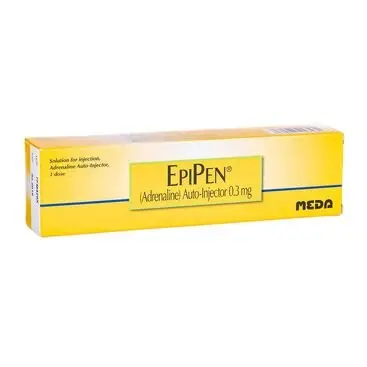
Images for illustrative purposes only
Epipen Auto Injector 0.3mg & Junior 0.15mg
EpiPen auto injector is an injectable emergency treatment for severe allergic reactions or anaphylaxis. It contains adrenaline, which is designed to be administered only in an emergency situation.
- EpiPen Auto-Injector provides life-saving emergency treatments for severe allergic reactions (anaphylaxis)
- For use in emergency medical situations only
- Acts quickly to treat allergic anaphylactic reactions
Buy the EpiPen Auto Injector Online
EpiPen auto injector is a life-saving medication which is used in emergencies to treat very severe allergic reactions.
The auto injector contains adrenaline (Epinephrine), which counteracts the dangerously low blood pressure and other symptoms of an anaphylactic reaction.
Adrenaline (Epinephrine) causes the blood vessels to constrict and opens the airways of the lungs to make breathing easier. You can buy an EpiPen auto injector online at Pharmacy Online, through our online clinic service.
Both Epipen 0.3mg & Epipen Junior 0.15mg are available.
When to Use an EpiPen Auto Injector?
EpiPens are emergency medications that can provide immediate relief during a severe allergic reaction. If you're unsure whether your reaction is severe, using the pen can prevent life-threatening situations - follow the it's better to be safe than sorry rule.
You should use the pen when you first notice the signs of severe allergic reactions, including:
- Changes in your breathing
- Wheezing or coughing
- Feeling dizzy and light-headed
- Swelling of the tongue and throat
- Cognitive changes, such as feeling confused or having a sense of impending doom
EpiPen Auto Injector Age Restrictions
EpiPens have no set age restrictions, as the dosage depends on the individual's weight. Individuals over 30kg should use the 0.3 pen, while those under 30kg (juniors) should use the 0.15 pen.
Children under 15kg shouldn't use the pen unless a doctor recommends doing so
How to Use an EpiPen Auto Injector?
You must know how to correctly use your EpiPen, especially if you’re at high risk of anaphylactic shock due to a severe allergy.
You should also tell your family, friends or colleagues how to use the EpiPen, and where you store it, so they’re prepared in an emergency, when healthcare professionals aren't available.
Each EpiPen Auto-Injector will deliver one 0.3mg dose of adrenaline. Sometimes, a single dose may not be enough to reverse the effects of anaphylaxis, and you may need to administer a second injection within 5-15 minutes after the first injection.
For this reason, you should always carry two EpiPens with you, just in case you need a second dose.
Administering the Pen:
- Grip and Prepare: Hold the EpiPen in your dominant hand, keeping your thumb nearest the blue cap. Avoid touching the orange tip.
- Remove Cap: Pull off the blue safety cap with your other hand.
- Inject: Swing and jab the orange tip firmly into the outer thigh at a right angle (90 degrees). You can inject through clothing.
- Hold: Listen for the click, then hold the EpiPen firmly against the thigh for 3 seconds to ensure the full dose is delivered.
- Remove and Call: Remove the device (the needle will be covered). Immediately dial 999 for an ambulance and say the person is experiencing anaphylaxis.
- Discard: Safely discard the used EpiPen and inform paramedics that a dose has been administered.
Safety Note: If emergency help isn't available, administer the EpiPen first, then immediately call for help. If symptoms do not improve after 5 minutes, administer a second pen if one is available.
FOR MORE INFORMATION, PLEASE SEE VIDEO ON HOW TO USE YOUR EPIPEN AUTO INJECTOR.
When to Avoid Using the EpiPen Auto Injector 0.3mg Junior 0.15mg?
While the EpiPen Auto Injector 0.3mg junior 0.15mg pens can treat severe allergic reactions, there are some cases when you should avoid using them. These include:
- Damage to the Auto-Injector: Check the pen's expiration date and never use it once it's expired. If you notice that the solution is cloudy, has particles, or a pink/brown colour, you should use a new pen, as it tends to mean the medication has degraded.
- Specific Injection Sites: When administering the pen, please avoid injecting it into certain sites, including the buttocks, fingers, hands, and feet. You should also ensure that you don't inject it into a vein, as it can lead to life-threatening increases in blood pressure.
EpiPen Auto Injector Precautions
In many cases, using an EpiPen is safe and the best way to prevent allergic reactions from worsening. However, if you have the following medical conditions, you should consult your doctor regarding the potential risks:
- Heart Disease: An adrenaline auto-injector can cause blood pressure increases, chest pain, and palpitations.
- Diabetes: Epinephrine can be dangerous in individuals with epilepsy, as it may elevate their blood glucose levels.
- Overactive Thyroid: Individuals with hyperthyroidism are more sensitive to Epinephrine.
- Medicines: If you're taking medications for Parkinson's disease, depression, and heart conditions, please seek medical advice before using an EpiPen.
EpiPen Auto Injector Ingredients
Depending on the EpiPen dosage, it will contain 0.15 or 0.30 mg of Epinephrine (adrenaline) as the active ingredient.
Inactive ingredients include:
- Hydrochloric Acid
- Sodium Chloride
- Sodium Metabisulfite (E223)
- Water for Injections
Side Effects of EpiPen Auto Injector
Like all medicines, an EpiPen could cause possible side effects. Despite this, adrenaline injections are life-saving emergency treatments and should always be used in the case of anaphylaxis if possible.
Some side effects may include:
- Irregular heartbeat (including palpitations or rapid heartbeats)
- High blood pressure
- Sweating
- Nausea or vomiting
- Difficulty breathing
- Paleness
- Headache or dizziness
- Hypertension
- Weakness
- Tremor
- Apprehension, nervousness, or anxiety
- Cardiomyopathy (rare)
What are the symptoms of an anaphylactic reaction?
Anaphylaxis - a life-threatening allergic reaction - often requires immediate care. The symptoms include:
- Breathing problems, including shallow and fast breathing, and wheezing.
- Problems with your circulation system.
- Cognitive changes.
- Widespread rashes, including hives.
- Swelling of the tongue and lips.
- Stomach pain, nausea, and vomiting.
How does the EpiPen Auto-Injector work?
EpiPen injectors work by administering a measured dose of adrenaline into the user's outer thigh muscle. Adrenaline is an effective way to reduce the symptoms of an allergic reaction, as it relaxes the airway muscles and reduces swelling. It's not a cure, but the injector provides adequate time to get medical help.
Can I inject through clothing?
Yes, EpiPens work through clothing. However, you should avoid injecting into thick materials and seams whenever possible.
Who can use an EpiPen?
EpiPens are suitable for people with proven risks of anaphylaxis. The dosage your doctor prescribes will depend on your body weight. It's essential to follow the instructions and never administer more than recommended.
What should I do after using an EpiPen?
Even if the injection decreases your symptoms, you should call emergency services. The effects often wear off within 20 minutes, and medical professionals will need to supervise you.
Where should I store my EpiPen?
Please keep your EpiPen in a cool and dry place, away from direct heat. You should also avoid refrigerating it. Check the expiry date and never use the pen once it exceeds this date.
Can I reuse an EpiPen Auto-Injector?
No, it's a single-use device. Once you use the pen, please place it in a sharps container or return it to your local pharmacy.
What should I do in the event of an accidental injection?
In the event of an accidental intravenous injection or if you inject the EpiPen into your fingers or hands, please seek medical attention.
Adrenaline in these areas can lead to adverse reactions, so it's essential to either go to the emergency department (if you can) or call an ambulance.
Leaflets
EpiPen Auto Injector Patient Information Leaflet
Before taking any medicines, regardless of whether they are over the counter or prescription-only, it is essential always to read the patient information leaflet.

