
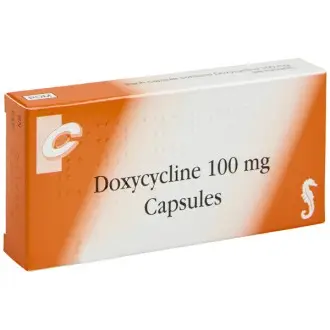
Images for illustrative purposes only
Doxycycline
Doxycycline capsules are a prescription-only medication used to treat chlamydia. Doxycycline treats more than 90% of cases with a seven-day supply. Doxycycline works by hindering bacterial protein synthesis.
Without proteins, bacteria can't reproduce effectively, preventing them from growing. Suitable for adults and children over 12 years old and contains 100mg of Doxycycline (a bacteriostatic).
- Treatment for chlamydia
- Doxycycline capsules are tetracycline antibiotics
- Twice daily dosage lasting 7 days
Buy Chlamydia Treatment Online
Doxycycline 100mg capsules are an antibiotic used in the treatment of chlamydia. Symptoms, if any, begin to clear after a few days, as long as you complete the entire course of treatment. You should also avoid sexual intercourse while using the antibiotics.
When to Use Doxycycline for Chlamydia?
Chlamydia typically occurs when you have unprotected sex with an infectious person, share sex toys, or when a pregnant woman passes the infection onto her child.
Doxycycline is a first-line treatment for chlamydia infections. It's used for standard chlamydia without complications and rectal chlamydia.
Women with genital chlamydia are more at risk of asymptomatic rectal infections, and Doxycycline is considered to be more effective than Azithromycin.
Individuals with a severe chlamydia infection (also known as Lymphogranuloma Venereum (LGV) can also benefit from more intensive antibiotic treatment.
Some people are at risk of chlamydia and gonorrhea co-infections, and Doxycycline is also used in combination with other antibiotics to eliminate the infection.
Age Restrictions for Doxycycline for Chlamydia
As an antibiotic, doxycycline is generally suitable for adults and children over 12, depending on a healthcare professional's advice. However, younger children have a higher risk of tooth discolouration, which is why the UK recommends against using it to treat people under 12.
Most cases of chlamydia affect adults, but a mother may pass it on to her unborn baby. There are alternative treatments available for children.
How to Use Doxycycline for Chlamydia Treatment?
Chlamydia is one of the most common sexually transmitted infections, but Doxycycline is a highly effective treatment - as long as you use it correctly.
Most GPs will prescribe a seven-day dose and issue these instructions:
- Take one 100mg pill twice daily, leaving 12 hours between doses whenever possible. People with severe chlamydia may require a higher dosage.
- Continue with the treatment course, even if your symptoms disappear after a few days.
- Always drink plenty of water when you take the pill to avoid throat irritation. It's also a good idea to eat something.
- Drinking alcohol can reduce the antibiotic's ability to work and may increase the risks of side effects. It's best to avoid it while using Doxycycline.
- Please avoid sexual intercourse and activity while taking Doxycycline. You should also inform previous partners, as they might need treatment too.
- Never double up on doses. If you miss a dose, take it when you remember or skip the missed dose.
Who Should Avoid Using Doxycycline to Treat Chlamydia?
Doxycycline is one of the best treatments available for chlamydia, but there are some cases when you definitely shouldn't use it. These include:
- When Pregnant or Breastfeeding: Using Doxycycline while pregnant can impact the baby's bone development. Breastfeeding women should also avoid it as the antibiotic can cause future tooth staining in their baby.
- Young Children: In most cases, a doctor won't prescribe Doxycycline in the UK for children under 12 - unless they feel that a child over 8 can benefit from it. However, children under 8 should never use Doxycycline.
- Allergies: If you're sensitive or have an allergy to tetracyclines, you must avoid using Doxycycline, as it can cause an allergic reaction.
Precautions for Doxycycline to Treat Chlamydia
If you have a medical condition or are taking any prescribed/OTC treatments, please speak to your doctor before using Doxycycline.
This includes people with severe kidney or liver disease, systemic lupus erythematosus, and colitis.
Ingredients of Doxycycline
Doxycycline is a tetracycline antibiotic that stops bacteria and reduces your symptoms. However, the tablets also contain the following inactive ingredients:
- Microcrystalline Cellulose
- Colloidal Silicon Dioxide
- Lactose Anhydrous (in some formulations)
- Magnesium Stearate
- Gelatin
- Sodium Starch Glycolate
- Iron Oxides
- Titanium Dioxide
Please note that these ingredients are common, but individual formulations of Doxycycline may contain different ingredients.
Side Effects Doxycycline for Chlamydia
There is always a risk of side effects with all medications. Some of these can be quite mild and can subside over time. Others are more serious and should be reported to your GP right away if you experience any side effects. Please contact a member of our team if you are concerned about any potential side effects that may occur when taking doxycycline.
Common side effects include:
- Vomiting
- Diarrhoea
- Nausea
- Headache
You should stop taking this medication immediately if you show any signs of an allergic reaction, including difficulty breathing or talking, swelling of the tongue, and/or rash.
What are the symptoms of Chlamydia?
Unfortunately, chlamydia symptoms aren't noticeable at first, which is why it's so important to have regular tests at your local sexual health clinic. If you have a positive chlamydia test, your GP can treat it early before symptoms appear.
Later symptoms in women include unusual vaginal fluid, abdominal pain, burning and pain during urination, bleeding after sex or between periods. Men may experience discomfort when urinating, penile discharge, and swollen testicles.
When I buy Doxycycline online, how long do I have to wait before I can have sex again?
You must refrain from sexual activity, whether it be vaginal, oral, or anal, even when wearing a condom, until you and your sexual partner(s) have been tested and have completed the treatment.
Doxycycline 100mg capsules is a seven-day course, and sex should be avoided both during these seven days and the following seven days after the course of medication has finished, to prevent the infection from returning.
How will I know if the treatment has cured my chlamydia infection?
Most people find that their symptoms typically fade within a few days, but you should wait at least two weeks before taking another test. If the infection hasn't cleared, your doctor will either prescribe a longer course of the antibiotic or explore a different treatment.
Can I take Doxycycline tablets if I’m on the contraceptive pill?
Doxycycline doesn't typically impact hormonal contraception, but you shouldn't have intercourse while taking it.
What should I do if I miss a dose of Doxycycline 100mg capsules?
Take one as soon as you remember that you have forgotten. Do not take a double dose if you don’t remember until the next day.
Is drinking alcohol permitted when on Doxycycline 100mg capsules?
Alcohol can reduce the effectiveness of Doxycycline 100mg capsules, so do not drink any alcohol whilst on the course of medication. Alcohol can cause impairment of decision-making, and so can result in sexual activity before the course has been finished.
Will my GP know about my chlamydial infection?
When you request Doxycycline online, we'll only contact your GP if you request it from us, and only with your written consent.
Can Doxycycline treat other sexually transmitted infections (STIs)?
While Doxycycline is effective for treating a chlamydial infection, it doesn't work for all STIs. For example, many people find that Doxycycline treatment needs to be combined with another antibiotic when treating gonorrhea.
Your doctor will assess your symptoms and diagnose the STI, then prescribe the best course of treatment.
What happens when Chlamydia is left untreated?
Untreated chlamydia can result in serious health implications in both men and women. For example, it can spread to the fallopian tubes and uterus, increasing the risks of pelvic inflammatory disease (PID) in women, and also leading to infertility or ectopic pregnancy.
Men who don't prioritise treating chlamydial infections can suffer from epididymitis and fertility issues.
Leaflets
Doxycycline Patient Information Leaflet
Before taking any medicines, regardless of whether they are over-the-counter or prescription-only, it is essential always to read the Patient Information Leaflet.
If you have any questions about chlamydia treatment, please get in touch with our registered pharmacists today.

