
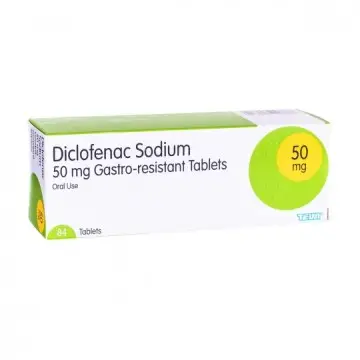
Images for illustrative purposes only
Diclofenac
Diclofenac sodium tablets are a strong anti-inflammatory medication used to treat pain, swelling, and symptoms of conditions such as arthritis and gout. It is an example of a nonsteroidal anti-inflammatory drug (NSAID). It works by preventing the release of inflammatory substances that can cause pain and swelling.
- Effective nonsteroidal anti-inflammatory drug (NSAID)
- Relieves pain and reduces swelling and inflammation
Buy Diclofenac Sodium 50mg Tablets Online
Diclofenac is a prescription-only medicine that belongs to the same group of drugs as ibuprofen – nonsteroidal anti-inflammatory drugs. These are better at reducing pain than over-the-counter medications and have proven to be effective in managing pain and inflammation in gout.
Diclofenac sodium 50mg tablets are most commonly used to treat ankylosing spondylitis, rheumatoid arthritis, osteoarthritis, back pain, toothache, gout, and migraines.
You can buy Diclofenac online at Pharmacy Online following a short online consultation with a member of our team.
When to Use Diclofenac Sodium Tablets?
Diclofenac sodium is a highly effective pain relief medicine. As a nonsteroidal anti-inflammatory drug (NSAID), it is used to treat inflammatory conditions.
If you experience frequent pain and traditional ibuprofen doesn't offer relief, you may be given Diclofenac Sodium for:
- Arthritis: Pain and inflammation caused by Osteoarthritis, Rheumatoid Arthritis, and Ankylosing Spondylitis.
- Acute Injuries: Treatment for injuries that impact the muscles and joints.
- Menstrual Pain: Severe period cramps caused by dysmenorrhea and conditions like endometriosis.
- Migraines: Sometimes used as a treatment for acute migraines and chronic headaches.
- Gout: Anti-inflammatory medicines are also beneficial to reduce swelling during gout flare-ups.
Age Restrictions for Diclofenac Sodium Tablets
Diclofenac Sodium is suitable for adults and children aged 14 and over. However, there are advisory precautions for adults over 65 due to the increased risk factors of gastrointestinal and cardiovascular side effects.
How to Use Diclofenac Sodium 50mg Tablets?
It's essential to follow the instructions when using Diclofenac Sodium 50mg tablets to avoid side effects and gastrointestinal symptoms:
- Swallow Whole: Swallow each tablet whole with water, avoiding chewing or crushing them.
- Take With Food: Using NSAIDs without food can irritate your stomach. Use them with a meal or a glass of milk to avoid irritation.
- Post-Dose: After taking the tablets, avoid lying down for at least 15 minutes. This prevents irritation.
Diclofenac Dosage
The amount of Diclofenac you take depends on the condition you're using the tablets for. Standard dosages are as follows:
- Osteoarthritis: 50mg taken up to three times daily.
- Rheumatoid Arthritis: 50mg taken three to four times daily.
- Menstrual Cramps / Acute Pain: 50mg taken up to three times daily if needed.
Unless your doctor prescribes a higher dosage, you should avoid exceeding 150mg in 24 hours.
When to Avoid Using Diclofenac Sodium Tablets?
As a powerful NSAID, there are some situations in which you should avoid using Diclofenac. These include:
- Cardiovascular Conditions: If you have heart disease or arterial disease, you should avoid using Diclofenac, as it can pose significant risks.
- Gastrointestinal Conditions: As with all NSAIDs, Diclofenac can cause significant discomfort or worsen current gastric conditions like peptic ulcers.
- Inflammatory Bowel Disorders: Using NSAIDs with an inflammatory bowel disorder like Ulcerative Colitis and Crohn's can result in a relapse.
- Organ Damage: Individuals with kidney problems or liver failure may experience toxic buildups of the medication.
Precautions for Diclofenac Sodium Tablets
If you're taking any medications, please speak to a healthcare professional before using Diclofenac. This includes anticoagulants, other anti-inflammatories, and mood stabilisers.
Ingredients of Diclofenac Sodium Tablets
Diclofenac Sodium 50mg tablets contain 50mg of the anti-inflammatory, which is responsible for pain relief.
It works by blocking prostaglandin synthesis.
Inactive Ingredients Include:
- Lactose Monohydrate
- Maise Starch
- Microcrystalline Cellulose
- Croscarmellose Sodium
- Talc
- Colloidal Silicon Dioxide
- Titanium Dioxide
- Magnesium Stearate
Side Effects of Diclofenac Sodium Tablets
There is always a risk of side effects with all medications. Some of these can be quite mild and can subside over time. Others are more serious and should be reported to your GP right away if you experience any side effects. Please contact a member of our team if you are concerned about potential side effects when taking Diclofenac.
Some common side effects reported with diclofenac use include:
- Skin reactions - mild rash
- Diarrhoea
- Nausea
- Vomiting
- Stomach pain, wind, or loss of appetite
- Headache
- Photosensitivity
Very rare side effects may occur while taking Diclofenac. If any of these happen to you, immediately seek medical advice:
- Blood in your vomit is a sign of stomach bleeding
- Severe indigestion, heartburn or stomach pain are signs of ulcers
- Skin turning yellow is a sign of liver problems
- Raised itchy skin rash, this is a sign of hives
- Breathlessness, fatigue, swollen legs or ankles, these are signs of heart failure
A serious allergic reaction can occur with Diclofenac. If you experience an unexplained skin rash, wheezing, chest tightness, trouble breathing, or swelling of your mouth, face, or lips, seek immediate emergency medical attention.
How long does it take this medication to work?
Diclofenac takes 20 to 30 minutes to work if you take it as tablets or capsules. It's best to take the lowest dose for the shortest period of time.
Is it safe to take long-term?
Diclofenac can cause an ulcer in your stomach if you take it for a long time or in high doses. It’s best to take the lowest effective dose for the shortest possible time.
How does Diclofenac work?
Diclofenac sodium 50mg tablets are a non-steroidal anti-inflammatory drug that works by reducing the level of hormones in your body that cause inflammation and pain.
How to take diclofenac tablets?
Take diclofenac tablets whole with a meal or a snack, don't take them without food, as it can irritate your stomach. Do not crush, break, or chew them.
Is diclofenac addictive?
No, diclofenac is not addictive.
Can I drink alcohol with it?
Yes, you can drink alcohol while taking Diclofenac. But drinking too much alcohol may irritate your stomach.
Is there any food or drink I need to avoid?
No, you can eat and drink normally while taking Diclofenac.
What happens for a missed dose?
For a forgotten dose, take it as soon as you remember. If it's nearly time for your next dose, skip the missed dose and take the next dose at the usual time. Never take a double dose to make up for a missed dose.
Can I take Diclofenac sodium tablets if I'm pregnant or breastfeeding?
Diclofenac tablets are not usually recommended in pregnancy because they may cause problems with your unborn baby. There are usually safer alternatives, such as paracetamol.
Leaflets
Diclofenac Sodium Tablets Patient Information Leaflet
Before taking any medicines, regardless of whether they are over the counter or prescription-only, it is essential always to read the patient information leaflet.

