
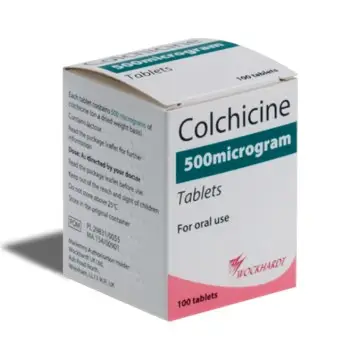
Images for illustrative purposes only
Colchicine
Colchicine is a medicine that is used to treat a gout attack. It works quickly and efficiently to relieve symptoms of an outbreak within a short period. Colchicine tablets neutralise the uric acid crystals that create gout flare-ups. Once the inflammation reduces, you'll feel less pain, making it easier to move around.
- Treatment for gout
- Fast acting
Buy Colchicine Tablets Online
Colchicine is a medication used in acute flare-ups of gout. Colchicine blocks the inflammatory processes, preventing inflammation and reducing pain associated with gout.
The primary advantage of colchicine tablets is that they can neutralise the uric acid crystals that create gout flare-ups. Once the inflammation reduces, you'll feel less pain, making it easier to move around.
Colchicine tablets will reduce your gout symptoms and make the condition more manageable.
When to Use Colchicine Tablets?
Colchicine is a highly effective medication that reduces inflammation associated with gout. It can be beneficial as a preventative treatment and for relieving attacks when they flare up.
If you're using it for acute gout, you should take the tablets when your symptoms begin to flare up, as it will reduce their severity.
If you try other preventative medicines but they don't work, your doctor may prescribe a regular dose of Colchicine Tablets to prevent gout attacks.
While Colchicine is most associated with gout, it can also be beneficial for:
- Familial Mediterranean Fever: FMF causes pain and swelling, but it also increases your risk of developing amyloidosis. Colchicine can prevent long-term complications.
- Reducing Cardiovascular Risks: In low doses, Colchicine can also reduce the risks of heart attacks.
Colchicine Age Restrictions
Colchicine is suitable for adults over 18. However, younger children may be able to use the medication if a doctor or pharmacist recommends doing so. You should always seek medical advice before administering it to a child, as there's a greater risk of side effects.
How to Use Colchicine 500mcg Tablets?
Please follow your doctor's instructions when using Colchicine tablets and never exceed the recommended dosage.
- Acute Gout Attacks: Your Colchicine dosage for gout flare-ups depends on your symptoms and your response to the treatment. You might take one 500 mcg tablet up to four times daily, or a high dosage of up to 12 tablets.
- Preventing Gout: Your doctor may recommend a lower-dose regimen for preventing gout. The average daily amount of Colchicine is one to two 500mg tablets.
While you can take Colchicine as a preventative treatment for around three months, you should wait three days after taking it for acute gout.
When to Avoid Using Colchicine?
Colchicine is a highly effective medicine that isn't suitable for everyone. If any of the following apply, you should avoid using it:
- Allergies: Check the ingredient list carefully and don't use the medicine if you're sensitive or allergic to any of its ingredients.
- Kidney or Liver Problems: Taking Colchicine with severe liver and kidney failure can increase your risk of toxicity.
- Blood Disorders: People with blood disorders like blood dyscrasias, low amounts of red and white blood cells, and bone marrow function issues should avoid using Colchicine.
- Pregnancy and Breastfeeding: In most cases, Colchicine isn't suitable for pregnant or breastfeeding women.
- Other Medications: Some medications can cause reactions with Colchicine. If you're taking antibiotics, antifungal medicines or heart disease treatments, please get medical advice before using them.
Colchicine Precautions
Please exercise caution if any of the following apply, and don't use Colchicine unless your doctor says it's safe to do so:
- Kidney or Liver Impairment: Your doctor will want to monitor you if you have a minor to moderate liver or kidney problem.
- Seniors: Older adults have a higher risk of toxicity and may require a lower dosage.
- Existing Conditions: If you have a medical condition like heart disease, blood disorders, or gastrointestinal issues, Colchicine may be unsuitable.
- Grapefruit: Consuming grapefruit or grapefruit juice when taking Colchicine can increase toxicity risks.
Colchicine Ingredients
Colchicine is the active ingredient, but there are inactive ingredients too. These include:
- Lactose
- Maize starch
- Microcrystalline cellulose
- Purified talc
- Stearic acid
- Povidone
- Magnesium stearate
Side Effects of Colchicine
Colchicine can cause side effects like any medication, although not everybody experiences them. If you experience the following side effects when taking Colchicine, stop the treatment and seek medical attention.
- Nausea
- Vomiting
- Stomach pain
- Diarrhoea
- Sore throat
- Unusual bruising
- High temperature
In severe cases, you might have an allergic reaction, which can create a range of symptoms, including:
- Swollen mouth, tongue and lips
- Tight throat and chest (trouble breathing)
- Wheezing
- Itchy skin /other skin problems
- Problems trying to talk
If you experience any of these or other symptoms, you must immediately get to the hospital, as severe allergic reactions can sometimes result in death.
How long do colchicine tablets take to work?
Colchicine starts to work after around 30 minutes to 2 hours. However, it may take a day or two before you notice your inflammation and pain getting better.
How long will I take colchicine tablets for?
For the treatment of gout attacks, you will only use this course of treatment for a few days.
Is it safe to take colchicine tablets for a long time?
It's generally a safe medicine if you take it as directed.
Can I drink alcohol with it?
Yes, you can drink alcohol with Colchicine. Alcohol does not affect how this medicine works. However, drinking alcohol increases the level of uric acid in your blood. This could make your gout worse.
Is there any food or drink I need to avoid?
Generally, you can eat and drink as usual while taking Colchicine. The only thing you need to avoid is grapefruit and grapefruit juice. This is because grapefruit can increase the amount of Colchicine in your blood, creating adverse effects.
Will it improve my symptoms during a gout attack?
The primary advantage of colchicine tablets is that they can neutralise the uric acid crystals that create gout flare-ups. Once the inflammation reduces, you'll feel less pain, making it easier to move around.
Who can take colchicine tablets?
Colchicine is suitable for adults over 18, but doctors might prescribe it for children in exceptional circumstances. However, it can cause some side effects, and you should tell your doctor or pharmacist if any of the following apply to you:
- Have severe kidney or liver problems (renal or hepatic impairment). You might be able to use the medication but with a lower than average dose.
- Had a previous reaction to other medicines.
- Suffer from heart disease or digestive system disorders
- Have a severe blood disorder
- Are (or might be) pregnant
- Are breastfeeding
If you're pregnant, many doctors won't prescribe colchicine tablets, but in rare cases, they will be able to. As there are some risks associated with pregnancy, colchicine might not be a good idea, but your doctor will be able to talk you through them and suggest an alternative solution.
You should also avoid taking it if you're breastfeeding, as while there's no definitive link, it could make your baby sick.
In this case, your doctor will offer anti-inflammatory medications, and you can also use over-the-counter painkillers.
Colchicine shouldn't be mixed with certain medicines, including:
- Antibiotics such as clarithromycin and erythromycin
- HIV medicines including atazanavir and ritonavir
- Any medicines that can impact your blood, kidneys or liver
- Antifungal medicines
- Ciclosporin
- Heart medications, including diltiazem and verapamil
Taking these or other medications doesn't mean you can't use colchicine, but you should consult your doctor first.
Leaflets
Colchicine - Patient Information Leaflet
Before taking any medicines, whether over-the-counter or prescription-only, it is essential to always read the patient information leaflet. Please contact our registered pharmacists for advice.

