
Altitude Sickness
Altitude sickness can hit when you least expect it, turning an exciting mountain adventure into a struggle for health. It's what happens when you climb too high, too fast, and your body can't get enough oxygen. Symptoms like headache, nausea, and dizziness can quickly turn your dream trip into a nightmare.
The good news? Medications to treat altitude sickness are readily available to buy from...
Description
Altitude sickness can hit when you least expect it, turning an exciting mountain adventure into a struggle for health. It's what happens when you climb too high, too fast, and your body can't get enough oxygen. Symptoms like headache, nausea, and dizziness can quickly turn your dream trip into a nightmare.
The good news? Medications to treat altitude sickness are readily available to buy from Pharmacy Online. So, whether you're planning a trek up Kilimanjaro, ascending to Everest base camp, or skiing in the Alps, being prepared is key for safe travel experiences.
Understanding Altitude Sickness
Altitude sickness is a common companion of high-altitude adventurers, emerging when the body struggles to adapt to the reduced oxygen levels at elevations typically above 2,500 metres (approximately 8,200 feet).
Developing altitude sickness can happen to anyone, regardless of your fitness level. That's because at the heart of altitude sickness is the simple fact that the higher you go, the less oxygen there is in the air.
Your body, accustomed to the oxygen-rich environment at sea level, can struggle to adapt to these changes if you ascend too rapidly without allowing your body time to acclimatise, leading to a range of symptoms that can affect your health and your travel experience.
Altitude sickness manifests in several forms, from the mild discomfort of Acute Mountain Sickness (AMS) to the more severe and potentially life-threatening conditions known as High-Altitude Cerebral Oedema (HACE) and High-Altitude Pulmonary Oedema (HAPE).
Symptoms of altitude sickness
Mild symptoms of altitude sickness include:
- Swelling of the hands and feet
- Loss of appetite
- Dizziness
- Nausea
- Shortness of breath
- Vomiting
- Headache
- Fatigue
- Pins and Needles
- Difficulty sleeping
These are all your body's way of telling you it's not getting enough oxygen.
Signs of fluid in lungs:
- Temperature
- Feeling out of breath and panting
- Constant cough with symptoms of blood in the sputum
Symptoms of swelling in the brain:
- Fainting or blacking out
- Constant headache that doesn't go away with pain medication
- Feeling dizzy and disorientated
- Being more clumsy or unsteady on your feet
- Prolonged vomiting
If left unaddressed, these symptoms can progress to HACE, characterised by confusion and lack of coordination, or HAPE, marked by severe breathlessness, even at rest.
Understanding these signs and knowing when to seek treatment is crucial for anyone venturing above 2,500 metres. With the right precautions and treatments, you can safely enjoy the breathtaking views and unique challenges of high-altitude adventures.
How is altitude sickness diagnosed?
Altitude sickness is primarily diagnosed based on the symptoms you report and your recent history of ascent to high altitudes. Unlike many medical conditions that rely on specific diagnostic tests, altitude sickness is recognised by a combination of signs and symptoms that occur after ascending above 2,500 metres.
Medication and Treatment Options
When it comes to managing altitude sickness, you have several options at your disposal:
Acetazolamide (Diamox)
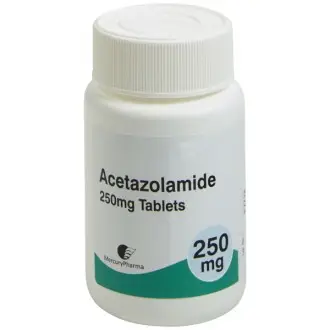
Acetazolamide tablets are the go-to prescription medication, renowned for their effectiveness in preventing and treating symptoms. It works by increasing the acidity of your blood, which in turn encourages you to breathe more deeply and frequently, thus increasing your oxygen intake.
The typical dosage starts a day before ascent, but it's crucial to consult with a healthcare provider or one of our online pharmacists for personalised advice.
Side effects can include tingling in the fingers and toes or alterations in taste, which are generally mild and manageable.
Over-the-counter remedies
For those experiencing milder symptoms, over-the-counter remedies can offer relief.
Ibuprofen is effective for headaches, while anti-nausea medications can help combat sickness. Making sure you stay hydrated is also key to ensuring you can continue to enjoy your adventure.
Pure oxygen treatment
Another form of mountain medicine is pure oxygen, and many resorts have it as a treatment option for people suffering from the effects of high elevation.
Gamow bags
Another option to relieve symptoms of altitude sickness is using Gamow bags. They're inflatable and simulate a descent, so when a person is placed in one, it gives them temporary relief from altitude sickness.
If a person is at a higher altitude and it will be a few hours before they can seek medical treatment, these bags could be lifesaving.
When to seek medical attention
It's vital to know when to seek medical attention.
If your symptoms escalate to severe headaches, confusion, difficulty breathing, or inability to walk straight, it's time to descend immediately and seek professional medical help immediately. These could be signs of HACE or HAPE, both of which require urgent treatment to prevent serious health risks.
How to prevent altitude sickness
Navigating high altitude regions safely means taking steps to prevent altitude sickness before it starts.
Take medication
Start taking preventive medication like Acetazolamide 24 hours before ascent and continue for at least 48 hours after reaching high altitude. If you develop symptoms, medications like Ibuprofen and anti-nausea pills can help manage them.
Acclimatisation
Acclimatisation is your next line of defense. Gradually ascending to higher altitudes gives your body the essential time it needs to adjust to the thinner air. Aim to increase your altitude slowly, allowing for acclimatisation days, especially when sleeping more than 300 meters higher than your previous night's rest.
Hydration and diet
Hydration and diet play pivotal roles in preventing altitude sickness. Drink plenty of water to stay hydrated, as dehydration can make altitude sickness symptoms more severe. Eating a balanced diet rich in carbohydrates can also help your body better adjust to the altitude changes.
Avoid alcohol and tobacco
Both alcohol and tobacco can significantly worsen the symptoms of altitude sickness. Alcohol dehydrates you and affects your sleep, while tobacco can impair your breathing, making it harder for your body to acclimatise.
Don't take sleeping pills
Lastly, avoid sleeping pills. While it might be tempting to use them to get a good night's sleep at high altitudes, they can suppress your breathing and hinder your body's ability to absorb oxygen, exacerbating the symptoms of altitude sickness.
Prioritising natural sleep aids and proper acclimatisation can help ensure a restful night without compromising your health.
Would you like to speak to a pharmacist?
If you're planning on mountain climbing as part of your travels, ask a member of our team about the options available for prevention and treatment. Our professional service gives you everything you need to prevent altitude sickness, and we're a registered online pharmacy.
Simply choose your medication, fill in a simple health questionnaire, and our pharmacists will take care of the rest. Fast, discreet, and direct to your door, ensuring you're prepared for your high-altitude adventure.
Buy Acetazolamide online from Pharmacy Online.
Frequently Asked Questions
What is the fastest way to cure severe altitude sickness?
The most effective and immediate treatment for severe altitude sickness is to descend to a lower altitude as quickly and safely as possible. In some cases, supplemental oxygen and medications like Acetazolamide may also be recommended by healthcare professionals.
How long does it take for altitude sickness to go away?
Symptoms of mild altitude sickness usually improve within 24 to 48 hours, especially with proper rest, hydration, and acclimatisation. Severe cases require immediate descent and medical attention.
What are the 3 stages of altitude sickness?
The three stages are Acute Mountain Sickness (AMS), High Altitude Pulmonary Edema (HAPE), and High Altitude Cerebral Edema (HACE), with AMS being the mildest and HACE the most severe.
What is the first aid for altitude sickness?
First aid includes descending to a lower altitude, ensuring the person stays hydrated, and avoiding exertion. Over-the-counter medications may help alleviate headaches and nausea. Seek medical help if symptoms persist or worsen.
Why is altitude sickness worse at night?
Symptoms often worsen at night due to a natural decrease in breathing rate during sleep, which can lead to lower oxygen levels in the body, exacerbating the symptoms of altitude sickness.
Who suffers most from altitude sickness?
Anyone can suffer from altitude sickness, but factors such as rapid ascent, lack of acclimatisation, and personal health can increase susceptibility. It's not solely determined by physical fitness or age.
What is the fastest way to adjust to high altitude?
Gradual ascent is the best way to adjust, allowing your body to acclimatise naturally. Staying hydrated, eating a balanced diet, and avoiding alcohol and tobacco also help your body adjust more quickly.
When should I be worried about altitude sickness?
Be concerned if symptoms of altitude sickness persist despite rest and acclimatisation, or if they worsen at any time. Symptoms like difficulty breathing, confusion, inability to walk straight, or a persistent cough indicate a need for immediate medical attention and descent.

